
First it was Kim Kardashian’s ‘Boxer Braids’ now it’s ‘Cloud Bob’!
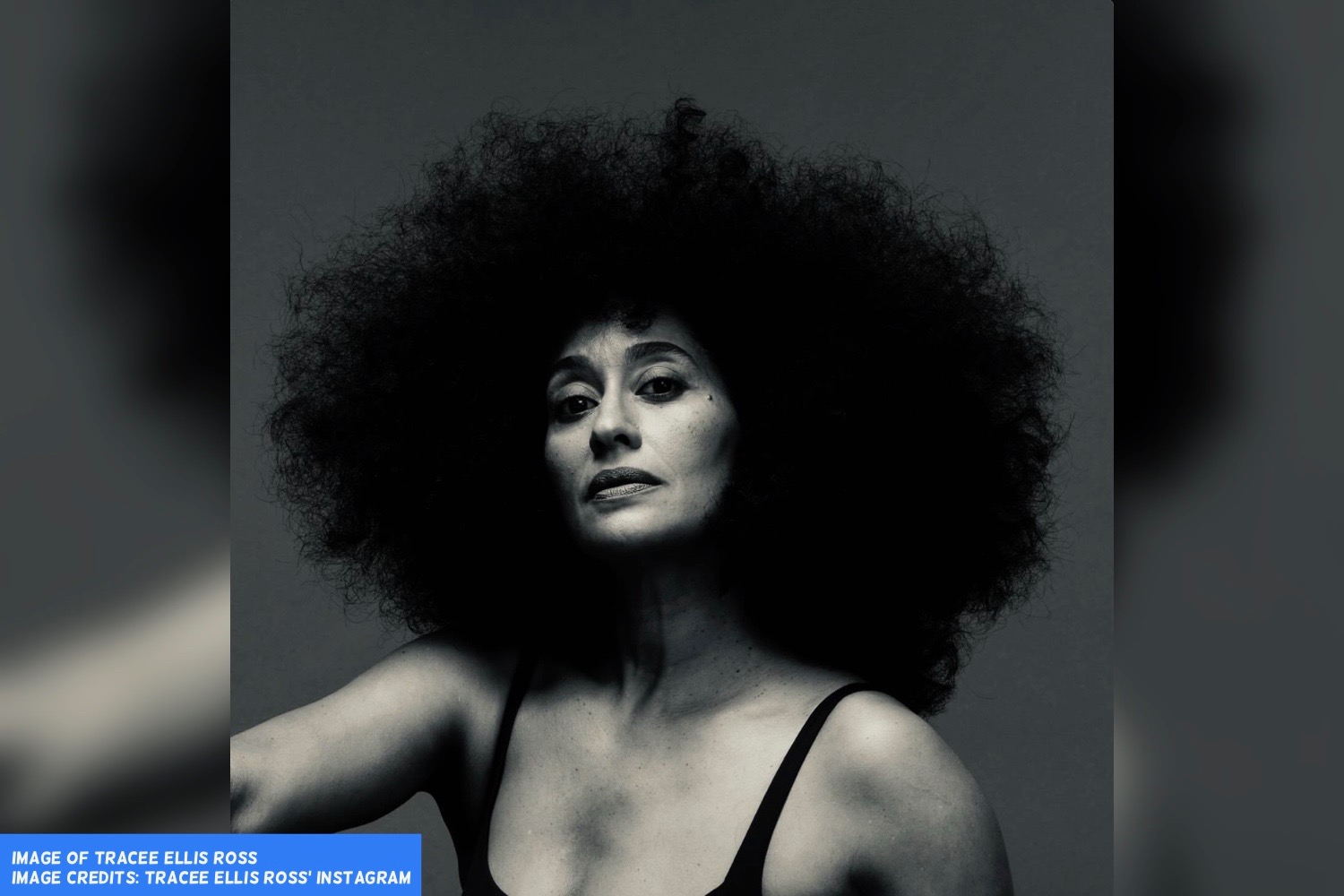
Vogue recently published an article titled 16 Flattering Haircuts for Thick Hair, No Matter Your Texture or Length. And in the now deleted section of the article, the fashion magazine titled Tracee Elis Ross’ natural hair as a cloud bob instead of what it truly is — an afro.
How many times are non-Black audiences going to pretend natural Black hairstyles don’t already have names, history, and cultural meaning? Watching that erasure happen again and again is exhausting, and it shows just how comfortable others are with borrowing from Black culture while ignoring its context.
When natural Black hairstyles are treated as new discoveries, the culture and people who created them become invisible. The same hairstyles that have been historically criticized and policed onto Black people are now celebrated outside their cultural context. And that contradiction is why a moment like this is not a harmless misunderstanding, but a reinforcement of who gets credit, acceptance, and visibility.
For example, when Kim Kardashian’s ‘boxer braids’ were introduced, she was simply wearing cornrows and fulani braids, traditional Black hairstyles. For years, cornrows were labeled unprofessional or inappropriate when worn by Black people, yet once rebranded and popularized by a non-black celebrity, they were suddenly considered chic and fashionable.
It’s also important to add that Tracee Ellis Ross, a biracial Black woman, has long embraced natural hairstyles rooted in Black culture. The problem arises in how others interpret and rename what already exists. When non-Black viewers label her afro a ‘cloud bob,’ the erasure doesn’t come from Ross herself, but from the audience redefining a culturally recognized style as something new.

Just as anything else, Black hair is related to the people that it comes with. Like language, music, or fashion, Black hairstyles are connected to the people and the history that gave it meaning in the first place.
All things considered, ‘cloud bob’ isn’t simply a quirky trend name. It’s part of a larger pattern that decides what gets celebrated and whose contributions fade into the background.
Taking a moment to learn the origins of Black hairstyles and using the correct names are small but meaningful steps toward cultural respect. Appreciation begins with understanding, not reinvention.