
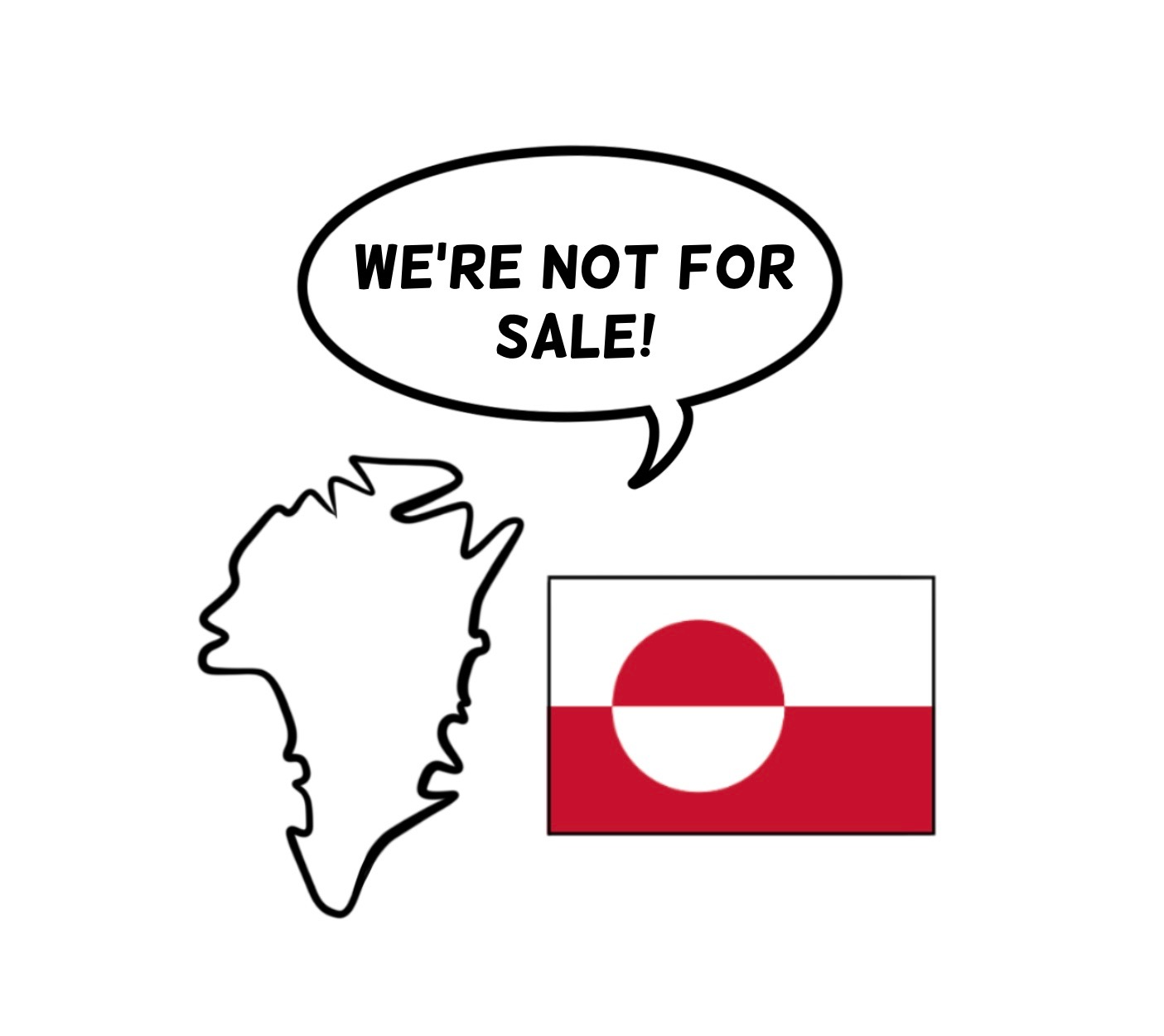
President Trump has for some time expressed his intention to expand the U.S and acquire Greenland, arguing that such a move is necessary for U.S. national security.
The idea has been met with skepticism and even rejection by Danish and Greenlandic officials, emphasizing the island’s sovereignty and autonomy.
While some see the proposal as a bold move reflecting global power interests, others view it as impractical and even diplomatically controversial.
But why Greenland? What makes the Danish-led island so appealing to the president?
The island’s geographic location is what makes it appear desirable. Greenland is believed to hold valuable mineral resources, and its location allegedly offers advantages for defense against countries Russia and China.
Despite the existing American military presence in Greenland, Trump stated that he would not “allow” Russia or China to gain control of the island, adding that “if we don’t do it, China or Russia will.”

Conversely, it has been reported that neither China nor Russia have any desire to claim or purchase the island. On Jan. 14, Vladimir Barbin, the Russian ambassador to Denmark, gave a statement saying Russia has no intention to acquire Greenland.
“Russia has no aggressive plans with regard to its Arctic neighbors. It is not threatening them with military action, not blackmailing them, and is not preparing to lay a claim to their territory,” the ambassador said.
Despite the Russian ambassador’s comment, the president still made moves that show the seriousness of his intentions.
On Jan. 17 the president warned Denmark, France, Germany and other NATO countries that should they not cooperate with his plans to claim Greenland, they would face an increased tariff rate of 25%. Fortunately, as of today the president withdrew this motion.
Overall, Trump’s plans for expansionism and Greenland seem unrealistic and unpromising. It poses as an international disruption that could strain U.S.–NATO relations and divide global allies. The coming months will reveal whether these strategies succeed or face setbacks.
What do you think about Trump’s approach toward Greenland? Should the U.S pursue these plans or are there better approaches to protect national security?